The United States stands among the world’s largest consumer markets for electric water heaters. Industry statistics show the global market for electric water heaters and immersion heaters reached USD 14.4 billion in 2025, with the US accounting for approximately 12% of global market value and 23% of total import demand. As the world’s primary manufacturing base for water heaters, China holds roughly 29% of global production capacity and 17% of worldwide export volume.
Nevertheless, market access thresholds for the US remain high. Ongoing adjustments to US tariff policies have increased export costs for Chinese manufacturers, who face multiple challenges including supply chain restructuring and compliance upgrades. Against this backdrop, completing DOE energy efficiency certification has become a statutory prerequisite for launching products in the US market.
1. What Is DOE Certification?
DOE certification administered by the U.S. Department of Energy is a mandatory federal compliance requirement for electrical appliances, established under the Code of Federal Regulations 10 CFR Part 429 and 10 CFR Part 430.
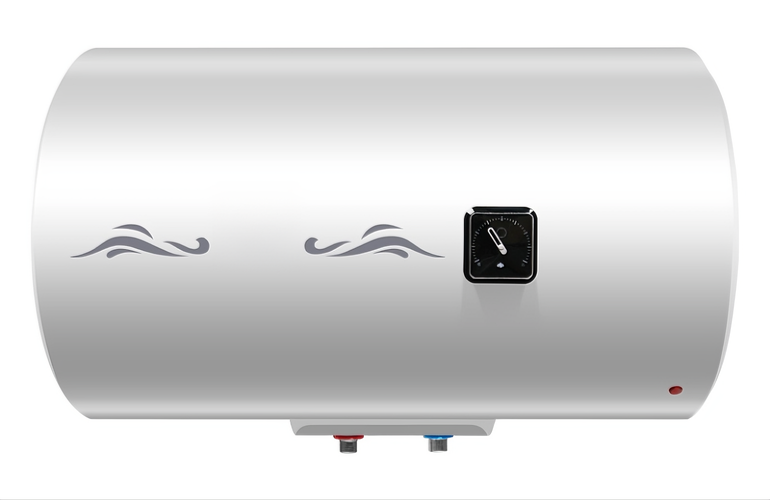
Electric water heaters are explicitly listed as covered products subject to DOE regulation. Relevant standards and testing protocols are defined in 10 CFR Part 430, Appendix E. Before placing products on the US market, manufacturers or importers must submit a Declaration of Conformity supported by valid test reports to demonstrate compliance with applicable energy efficiency standards.
It is critical to clarify: DOE certification is not a conventional third-party certificate. It constitutes a mandatory registration procedure completed via the official DOE Compliance and Certification Management System (CCMS). All registered information is publicly accessible for inquiry.
2. Product Scope Subject to DOE Certification
DOE regulates the following categories of electric water heaters:
Storage electric water heaters (mainstream household type)
Tankless (instantaneous) electric water heaters
Heat pump water heaters
Electric resistance water heaters
Scope covers residential and commercial storage electric water heaters with an input power rating ≤ 24 kW.
3. Standard Certification Workflow
Step 1 Confirm product scope and regulatory applicability
Manufacturers first verify whether their equipment falls within the scope of mandatory DOE regulation. Electric water heaters are designated covered products and must be tested following the test procedures outlined in Appendix E.
Step 2 Submit samples to an accredited laboratory for testing
Deliver 2–3 mass-production representative samples to an ISO 17025 accredited laboratory recognized for DOE testing. Tests are conducted in accordance with procedures specified in 10 CFR Part 430. Key measured parameters include Uniform Energy Factor (UEF) and rated storage volume. Test results serve as the core foundation for CCMS registration.
Step 3 Issue formal test report
Upon completion of testing, the laboratory issues an official energy efficiency test report. Only reports generated by DOE-recognized testing facilities are valid for registration.
Step 4 Complete registration via the CCMS platform
Submit test reports and supporting documentation through the official DOE CCMS system. Required information includes product model numbers, brand details, manufacturer data, US importer information and test report reference numbers.
Registration Entity Requirement: All filings must be submitted under the name of a US-based manufacturer or US importer. Coordinate closely with overseas clients to confirm the designated registration entity.
Step 5 Official review, public listing and ongoing compliance maintenance
After DOE review and approval, product data is published within the public federal database with a unique compliance identifier. Manufacturers must retain all test records for a minimum of two years. Any changes to product design or critical components necessitate retesting and re-registration.
4. Reference Lead Time and Costs
Certification Lead Time
Standard DOE registration generally takes 3–4 weeks counting from data submission, excluding laboratory testing duration. Expedited processing taking 2–3 weeks is available at select laboratories for an additional fee.
Cost Overview
Total certification expenses typically amount to several thousand US dollars, consisting of three main components:
Testing fees (USD 1,000 – 5,000, the largest portion)
CCMS registration fees (USD 500 – 2,000)
Third-party agency service charges (if outsourcing the whole process)
Actual costs vary depending on product type, testing complexity and laboratory selection. Provide complete product specifications to obtain an accurate quotation.
5. Key Compliance Reminders
DOE vs. CEC distinction: DOE is a federal-level energy efficiency requirement applicable across all US states. If goods are also distributed in California, additional compliance with standards issued by the California Energy Commission (CEC) is mandatory. Test protocols and efficiency thresholds may differ between the two schemes and require separate verification.
Record retention obligation: Manufacturers must archive all test records for at least two years to facilitate random market surveillance audits conducted by the DOE.
Trigger for re-certification: Any modifications to product design or critical components such as heating elements and thermal insulation require retesting and new CCMS registration.
6. Professional Services We Provide
As a professional third-party testing and certification organization, we deliver comprehensive support for electric water heater DOE energy efficiency certification:
Authorized lab qualifications: In-house dedicated energy efficiency laboratory; test data accepted for official CCMS registration
Full-scope testing: Complete measurement of Uniform Energy Factor (UEF), storage volume and other parameters in compliance with 10 CFR Part 430 Appendix E
Turnkey full-process service: Pre-test evaluation, technical rectification guidance, formal laboratory testing and CCMS registration handled in one coordinated workflow
Multi-market energy efficiency coverage: Concurrent support for California CEC certification, EU ErP (including EPREL registration), Australia GEMS, South Korea MEPS and other global energy efficiency schemes
Sustained compliance assistance: Ongoing support for annual compliance maintenance and document archiving