Fans are the most widely‑used ventilation and cooling devices for households, offices and commercial premises. Product categories range from traditional table fans, pedestal fans and ceiling fans to exhaust fans and industrial fans. Featuring simple structure, cost‑effective performance and continuously upgraded smart functions, fans maintain sustained high market demand across North America, attracting numerous domestic manufacturers to tap into this mature market.
Nevertheless, fans present potential safety risks in electrical safety, mechanical protection and fire‑resistance performance due to exposed rotating components, long‑duration continuous operation, and heating functions integrated in certain models. How to guarantee end‑user safety while securing product performance and cost‑effectiveness? UL 507 provides authoritative criteria for safety assessment of fan products.
1. Overview of UL 507 Standard
UL 507, Standard for Safety for Electric Fans, is published by Underwriters Laboratories (UL)UL Standar.... It applies to household and commercial fan products with a rated voltage of up to 250 V. It serves as a key safety evaluation benchmark for fans in the US and Canadian markets. Compliance with UL 507 certification constitutes one of the critical market‑access prerequisites for entering the United States and Canada.
UL 507 sets comprehensive requirements covering electrical safety, mechanical safety, thermal safety and fire‑resistance. It evaluates product safety under normal operation, abnormal operation and simulated fault conditions.
2. Scope of Applicable Products
UL 507 applies to the following fan categories:
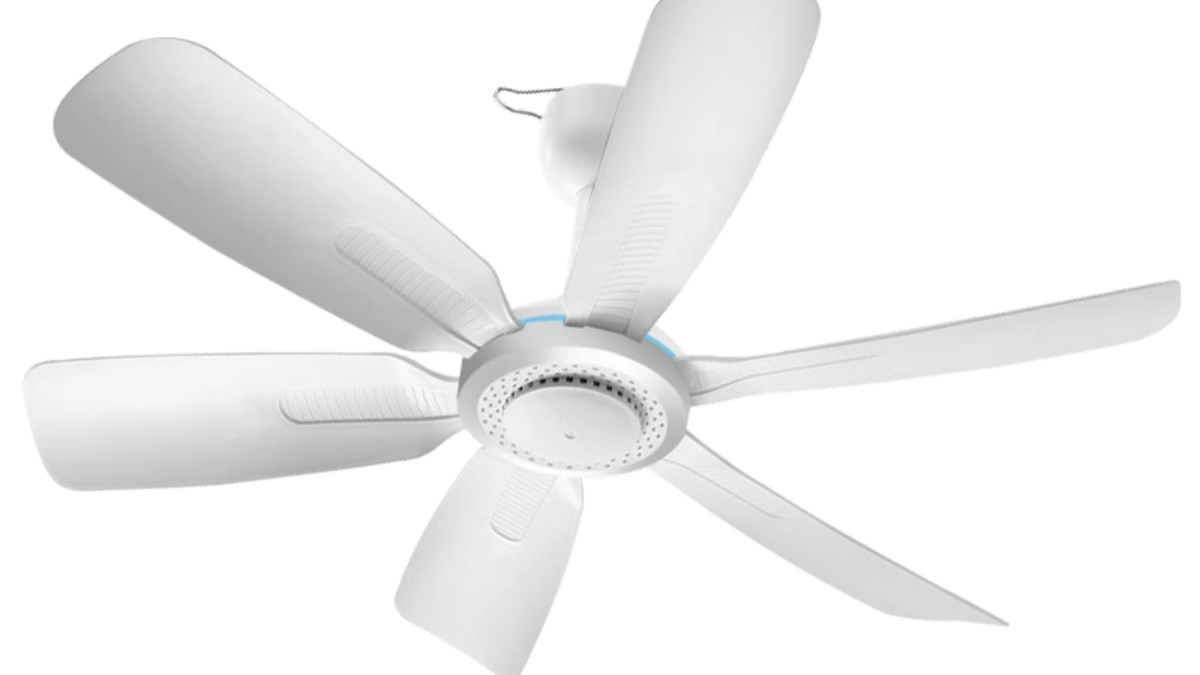
Ceiling fans: Decorative or functional fans mounted on ceilings
Table fans: Portable fans placed on desks or countertops
Pedestal fans: Upright movable fans with support columns
Wall‑mounted fans: Fans fixedly installed on walls
Exhaust fans: Ventilation equipment for bathrooms, kitchens and other spaces
Industrial fans: Large‑size fans for workshops, warehouses and similar premises
Heated fans: Fan‑type heaters with heating functions
Other household and commercial fans: Air circulators with fan functions
This standard covers indoor‑only fans. Outdoor‑rated fans may require additional waterproof and dust‑proof requirements.
3. Core Test Items
3.1 Electrical Safety Tests
These include electric‑shock protection (insulation resistance and dielectric voltage‑withstand test, typically 1000 V plus twice the rated voltage applied for 1 minute without breakdown), leakage‑current test (anti‑electric‑shock performance under humid conditions, generally limited to 0.5 mA maximum), input power and current deviation verification (measured values shall not deviate more than 10 % from rated values), and grounding continuity test (ground resistance ≤ 0.1 Ω for Class I appliances). Products shall pose no electric‑shock hazard under both normal and abnormal operating conditionsimages.thd....
3.2 Mechanical Safety Tests
Rotating assemblies are the focus of safety assessment. Major tests include guard test (using a 5 mm‑diameter test probe simulating children’s fingers to check accessibility to blades; clearances between blade tips and guards shall comply with specified limits), blade strength test (blades shall not fracture or detach at high‑speed rotation), guard robustness test (guards shall not deform or detach under simulated external impact), stability test (unit shall not tip over when placed on a 10° inclined plane), and sharp‑edge inspection (no burrs or sharp edges on accessible parts)images.thd....
3.3 Temperature‑Rise Test
Temperature rises of key components such as motors, windings, capacitors and power cords are measured under continuous operation and shall stay below standard limits. Motor‑winding temperature rise is commonly measured by resistance method, with allowable temperature rise depending on insulation class (e.g. max 75 K for Class A insulation, max 95 K for Class B insulation). Surface temperature rise of enclosures after long‑term operation is also evaluated to prevent scalding risks.
3.4 Abnormal‑Operation and Locked‑Rotor Test
Safety performance under fault conditions is simulated, including locked‑rotor test (power applied with motor rotor blocked; winding temperatures shall not exceed limits; no smoke or ignition permitted), capacitor short‑circuit test (no safety hazards upon short‑circuit of starting capacitor), and continuous‑run test (safety performance shall not degrade after prolonged operation)images.thd....
3.5 Fire‑Resistance and Heat‑Resistance Tests
Glow‑wire test or needle‑flame test is performed on non‑metallic parts including plastic housings and terminal blocks to verify material flame‑retardant ratings and prevent fire hazards under overheating or short‑circuit conditions. Critical components are generally required to achieve V‑0 or V‑1 flame‑retardant rating.
3.6 Marking and Instruction Manual Review
Safety warnings on product bodies, packaging and manuals are reviewed, including electrical ratings, operating‑environment and installation instructions, child‑safety warnings (e.g. “Do not approach rotating blades” for ceiling fans), plus cleaning and maintenance guidance.
4. Certification Process and Turnaround Time
Product Evaluation: Confirm product type, motor configuration and applicable standard scope
Technical Documentation Preparation: Compile product specifications, circuit schematics, bill of critical components (motors, capacitors, power cords etc.), user manuals and other documents
Sample Testing: Complete full‑item testing for electrical safety, mechanical safety, temperature rise, locked‑rotor conditions and other items per UL 507
Rectification & Optimization: Identify root causes for non‑conformities and support customers in product‑design improvement
Report Issuance: Formal test report with CNAS or CMA accreditation is issued upon passing all tests
Testing Cycle: Normally 5‑7 working days, subject to product complexity and whether corrective actions are needed.Testing Cost: Costs vary by product type, functional complexity and test scope. Products such as ceiling fans involving mounting structures may incur additional test items.
5. Shenzhen Zhongwei Inspection Technology Co., Ltd. (CTNT)
Shenzhen Zhongwei Inspection Technology Co., Ltd. (CTNT) is an authoritative third‑party laboratory specialising in fan and environmental‑appliance testing. Holding CMA qualification and CNAS laboratory accreditation, it is equipped with high‑precision power analysers, temperature‑rise test systems and other professional instrumentation, and has accumulated rich practical experience in UL 507 safety testing for various fan types. Its test scope covers UL 507 and associated electrical‑safety standards. Besides domestic inspection reports, CTNT also provides global market‑access services including EU CE and CB certification, delivering one‑stop solutions spanning safety compliance and quality inspection to help manufacturers achieve efficient product certification.