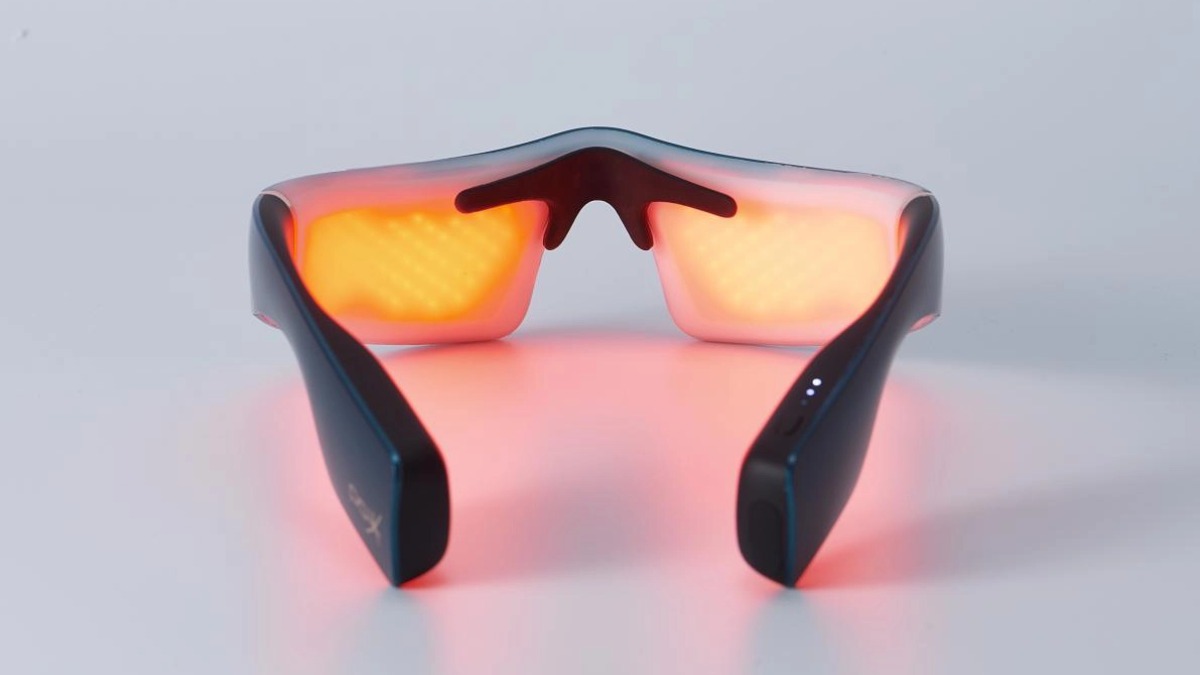
Driven by the booming household beauty‑device market, optical beauty products have become an essential part of consumers’ daily skincare routines thanks to their proven efficacy and user‑friendly operation. From LED light‑therapy masks to intense pulsed‑light hair‑removal devices, optical technologies are reshaping the landscape of at‑home beauty treatment.
Nevertheless, the combination of light and heat that delivers cosmetic benefits also carries potential safety hazards. How to guarantee user safety while maintaining cosmetic performance? The international standard IEC 60335‑2‑113 provides authoritative evaluation criteria for the safety of optical beauty appliances.
1. Overview of IEC 60335‑2‑113
Published by the International Electrotechnical Commission (IEC), IEC 60335‑2‑113 Household and similar electrical appliances safety — Part 2‑113: Particular requirements for beauty and beauty‑care appliances incorporating lasers and intense light sources is the dedicated global safety standard for optical beauty‑care devices.
This standard has been identically adopted in China as GB/T 4706.113‑2024 Household and similar electrical appliances safety — Part 2‑113: Particular requirements for beauty and beauty‑care appliances incorporating lasers and intense light sources.
It applies to household and similar optical beauty‑care appliances with a rated voltage not exceeding 250 V. It covers devices that act on human skin or hair via laser or intense pulsed light for cosmetic purposes including hair removal, skin rejuvenation and acne treatment. Comprehensive requirements are specified for optical radiation safety, electrical safety, thermal safety and mechanical safety.
2. Scope of Applicable Products
IEC 60335‑2‑113 applies mainly to the following optical beauty‑care products:
LED light‑therapy masks: Facial skincare devices using red, blue, yellow and other LED light sources
IPL hair‑removal devices: Household intense‑pulsed‑light hair‑removal units that deliver broad‑band pulsed light to hair follicles
Home‑use laser hair‑removal devices: Household appliances adopting laser technology for hair removal
IPL skin‑rejuvenation devices: Intense‑pulsed‑light equipment for skin anti‑ageing treatments
Other household beauty‑care appliances integrated with lasers or intense light sources
This standard does not apply to devices intended for medical applications (these fall under the IEC 60601 series), nor to equipment that only emits visible light for general illumination.
3. Core Test Items
3.1 Optical Radiation Safety Test
Evaluates hazards posed by device‑emitted optical radiation to human eyes and skin. Key parameters include irradiance, radiant exposure, and pulse characteristics (pulse width, pulse repetition frequency). Tests verify that optical‑radiation levels remain within safe limits under both normal operation and reasonably foreseeable abnormal conditions. The standard requires appliances to minimise harmful radiation exposure to eyes and skin during operation.
3.2 Output Energy Stability Test
Verifies optical‑output stability under continuous‑operation conditions. For IPL devices, energy‑density stability across different power settings is checked to ensure fluctuations stay within permitted limits, preventing burns or unsatisfactory treatment results caused by abnormal energy output.
3.3 Skin‑contact Sensing Test
For devices equipped with skin‑contact detection, the sensing system must reliably recognise physical skin contact. Light emission shall be disabled when no skin contact is detected, avoiding accidental eye injury or irradiation of unintended body areas.
3.4 Filter Integrity Test
For IPL equipment, filters are inspected for cracks, detachment and other defects. Intact filters are critical for blocking harmful spectral bands and preventing unnecessary radiation exposure. The standard prohibits loosening or detachment of filter components during normal use.
3.5 Electrical Safety Test
Includes electric‑shock protection tests (insulation resistance, dielectric strength), leakage‑current measurement (simulating wet‑condition usage; leakage current generally limited to 0.5 mA), input power and current deviation verification, and earth‑continuity testing. Since beauty devices are often used with wet hands after cleansing, stricter requirements are imposed on electric‑shock protection and water resistance.
3.6 Heating and Temperature‑rise Test
Measures surface temperatures and component temperature rises during normal operation. Temperatures of skin‑contacting parts must stay below standard limits to eliminate burn risks. Temperature rises on hand‑held sections and external surfaces are also strictly controlled.
3.7 Structural Inspection and Instruction‑manual Review
Examines mechanical hazards such as sharp edges and burrs in product construction. User manuals are reviewed to confirm adequate safety warnings and usage guidance, including contra‑indications for user groups, recommended treatment frequency and precautionary notes.
4. Certification Process and Turnaround Time
Product Assessment: Confirm product type (IPL / LED / laser), optical parameters and applicable standard scope.
Technical‑document Preparation: Compile product specifications, circuit schematics, bill of critical components, user manuals and other documentation.
Sample Testing: Perform full‑item testing covering optical‑radiation safety, energy stability, electrical safety and other items in accordance with IEC 60335‑2‑113 / GB/T 4706.113.
Rectification and Optimisation: Identify root causes for non‑conformities and support manufacturers in product‑design improvement.
Report Issuance: Formal CNAS‑ or CMA‑accredited test reports are issued upon successful testing.
Typical turnaround: 5‑7 working days, subject to product complexity and whether corrective actions are required.
Testing cost: Varies according to product type, functional complexity and test scope. IPL‑based devices incur relatively higher costs due to specialised optical‑radiation testing.
5. About Shenzhen CTNT Testing Technology Co., Ltd.
Shenzhen CTNT Testing Technology Co., Ltd. is an authoritative third‑party laboratory specialising in testing for beauty and optical‑care appliances. Holding CMA qualification and CNAS laboratory accreditation, CTNT has accumulated extensive practical experience in IEC 60335‑2‑113 testing for LED light‑therapy masks, IPL hair‑removal devices and home‑use laser hair‑removal equipment.
For further details regarding IEC 60335 compliance for optical beauty devices, please contact Shenzhen CTNT Testing Technology Co., Ltd. for professional compliance consultation and precise quotations.